Table Of Content

An ingrown hair, also known as folliculitis, occurs when a hair that has been shaved, waxed, plucked, or otherwise removed, grows back into the skin instead of growing outward. This can lead to inflammation, redness, irritation, and the formation of tiny, irritated, and painful bumps. Ingrown hairs commonly occur in areas where hair is frequently removed, such as the face, neck, armpits, legs, and groin area. You can also try other hair removal methods that are less likely to lead to ingrown hairs. Those include creams that dissolve hair and a laser or electric current (electrolysis) to remove the hair follicle for good.
10 Best Razors for Women of 2024, Tested by Experts - Good Housekeeping
10 Best Razors for Women of 2024, Tested by Experts.
Posted: Mon, 18 Mar 2024 07:00:00 GMT [source]
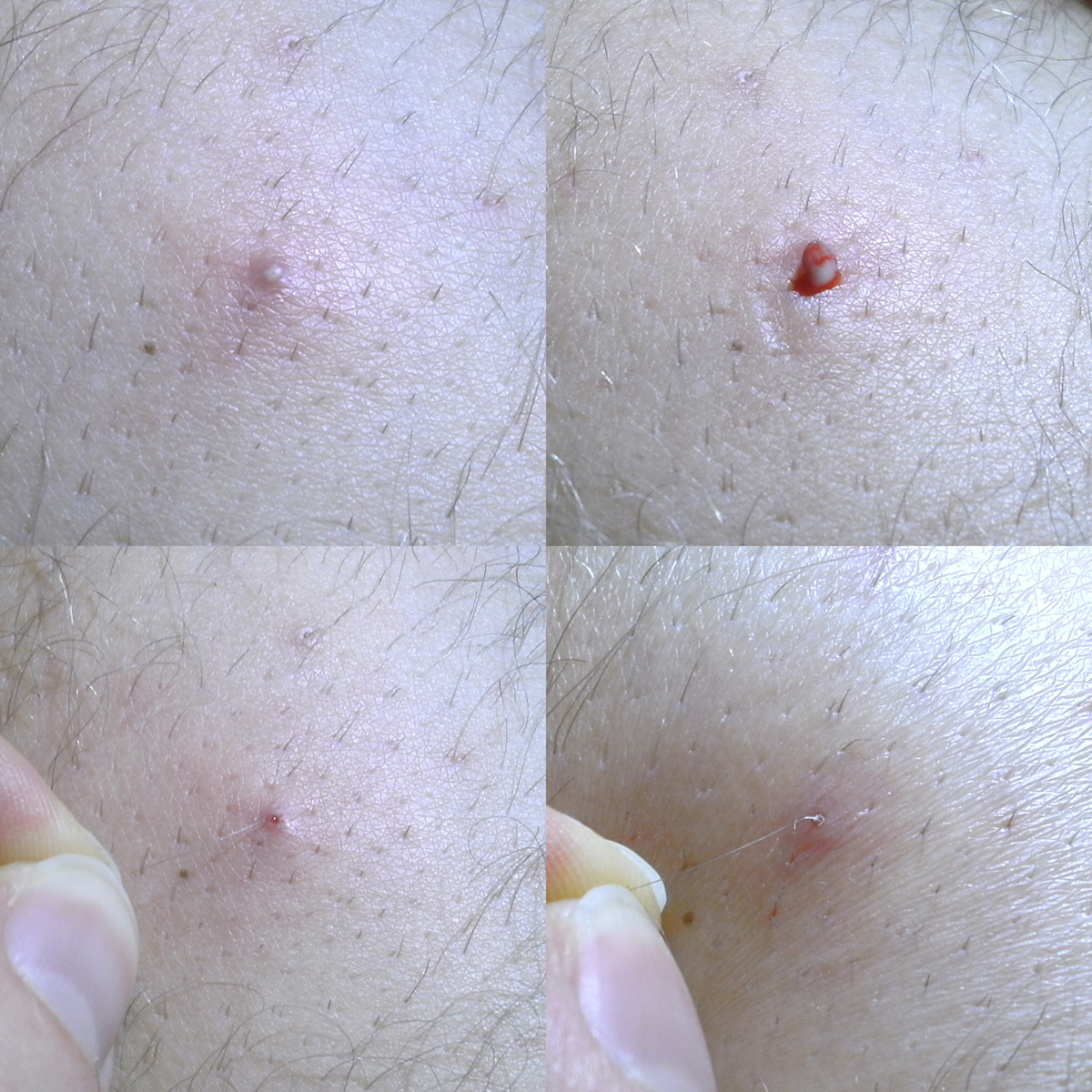
What Does an Ingrown Hair Cyst Look Like?
Although quite not permanent, depilatory methods, which include liquid or cream treatments like Nair, can produce long-lasting results as well. In most cases, you won’t need to see a healthcare professional for razor bumps. Razor bumps are most common in Black cisgender males and those of Asian descent, as well as people who shave. You may also be at greater risk of developing bumps with ingrown hairs if you have naturally curly hair. Those with very sensitive skin may not be able to tolerate BHAs to close hair follicles after shaving.
Pop Culture
Apply these creams and gels after shaving your legs to reduce the occurrence of ingrown hairs. These products add extra moisture to your legs and help keep pores unclogged. Ingrown hair cysts may go away on their own or with simple treatment. However, you may need to see a healthcare provider to treat an ingrown hair cyst that's hard to get rid of. Razor bumps and ingrown hair cysts can take several days or even weeks to fully clear up on their own.
How to Prevent Infected Ingrown Hairs
Razor bumps that emerge after shaving, known as pseudofolliculitis barbae, can become pustules, papules, or cysts resulting from ingrown hairs. While some cases resolve on their own, there is a possibility of infection, which requires treatment. You can avoid this condition by not removing hair or not shaving very close to the skin.
Cortizone 10 Maximum Strength Anti-Itch Cream with Aloe
An ingrown hair occurs when a hair that has been shaved, waxed, or plucked begins to grow back into the skin. Although technically not an "infection," a pilar cyst is a type of slow-growing, non-cancerous growth that forms within a hair follicle. Pilar cysts are typically located on the scalp, but they can develop on other parts of the body. Infected ingrown hairs can also manifest as papules, which are small, solid, raised bumps that may be red or pink in color.
9 Best Keratosis Pilaris Products, According to Amazon Reviews - ELLE
9 Best Keratosis Pilaris Products, According to Amazon Reviews.
Posted: Wed, 11 Oct 2023 07:00:00 GMT [source]
They may appear anywhere hair grows on your body, but they commonly appear in places where you shave, tweeze or wax, especially your face, legs, armpits and pubic area. A good skin care routine helps prevent ingrown hairs from forming, while at-home treatments can help release the hair from underneath your skin and provide relief. Contact your healthcare provider if you notice any signs of infection. Ingrown hair cysts happen when a hair follicle gets blocked, and the hair grows into your skin instead of out. You should never pop an ingrown hair cyst because it can cause infection and scarring.
What’s the outlook for a person with an ingrown hair cyst?
An alternative to waxing is sugaring paste, which also lifts the entire hair. Unlike waxing, which removes hair in the opposite direction of hair growth, the paste removes it in the way that it grows. This is meant to put less strain on the hair so it's less likely to break either above or below the skin.
The cysts may go away on their own, but if they hurt, look red, or ooze pus, see a healthcare provider for treatment. Like razor burn, most ingrown hairs, which are commonly referred to as razor bumps and are caused by hairs curling into and getting trapped underneath the skin, are treatable at home. But these bumps don’t go away overnight, and being patient during the healing process is the key to preventing infection or scarring later on. That’s when you should see a dermatologist for treatment, which can include prescription-strength antibiotic ointment or a cortisone shot to reduce inflammation in very severe cases.
Tips
There’s also the risk of complications, such as a bacterial infection and permanent scarring. Then I discovered this product, and the results were nothing short of miraculous. Within just two days of use, the red bumps that had plagued me for years were significantly reduced. Staph is one of the most common reasons for skin infections in the United States each year. These infections are mostly mild, and doctors can often treat them successfully with oral or topical antibiotics.
Trying to remove them can sometimes interfere with the healing process and cause them to last longer. This removes a dead layer of skin cells and helps release ingrown hairs. Make small, circular motions to wash the affected areas with a washcloth, exfoliating brush, exfoliating gel, or scrub. Most ingrown hair infections resolve in time with good hygiene, and over-the-counter creams may also help. Picking at the hair can increase the risk of an infection spreading or worsening.
But if ingrown hairs don’t improve or worsen, talk to your doctor. A healthcare professional may be able to diagnose a staph infection on sight but may also take a sample from the area, draw blood, or perform other tests to confirm the diagnosis. If the site of the ingrown hair acquires an infection with Staphylococcus aureus, it can cause itchy bumps, pain, flushed skin, and pus. If you do choose to pay for your service, don't go to just anybody that's licensed. We know that the bumps can happen despite the greatest intentions.
Ahead, eight dermatologist-approved ways to prevent ingrown hairs from forming and how to treat them if they do. Ingrown hair cysts are not the same thing as cystic acne, which are bumps that form under a skin follicle when there is a buildup of bacteria, oil, and dead skin cells. Ingrown hair cysts are small, fluid-filled sacs of tissue on the skin. They form around a piece of hair that is growing into the skin instead of out of it. Treatment for ingrown pubic hair cysts or ingrown hair cysts anywhere else on the body is usually not necessary unless the cyst becomes infected.


No comments:
Post a Comment